
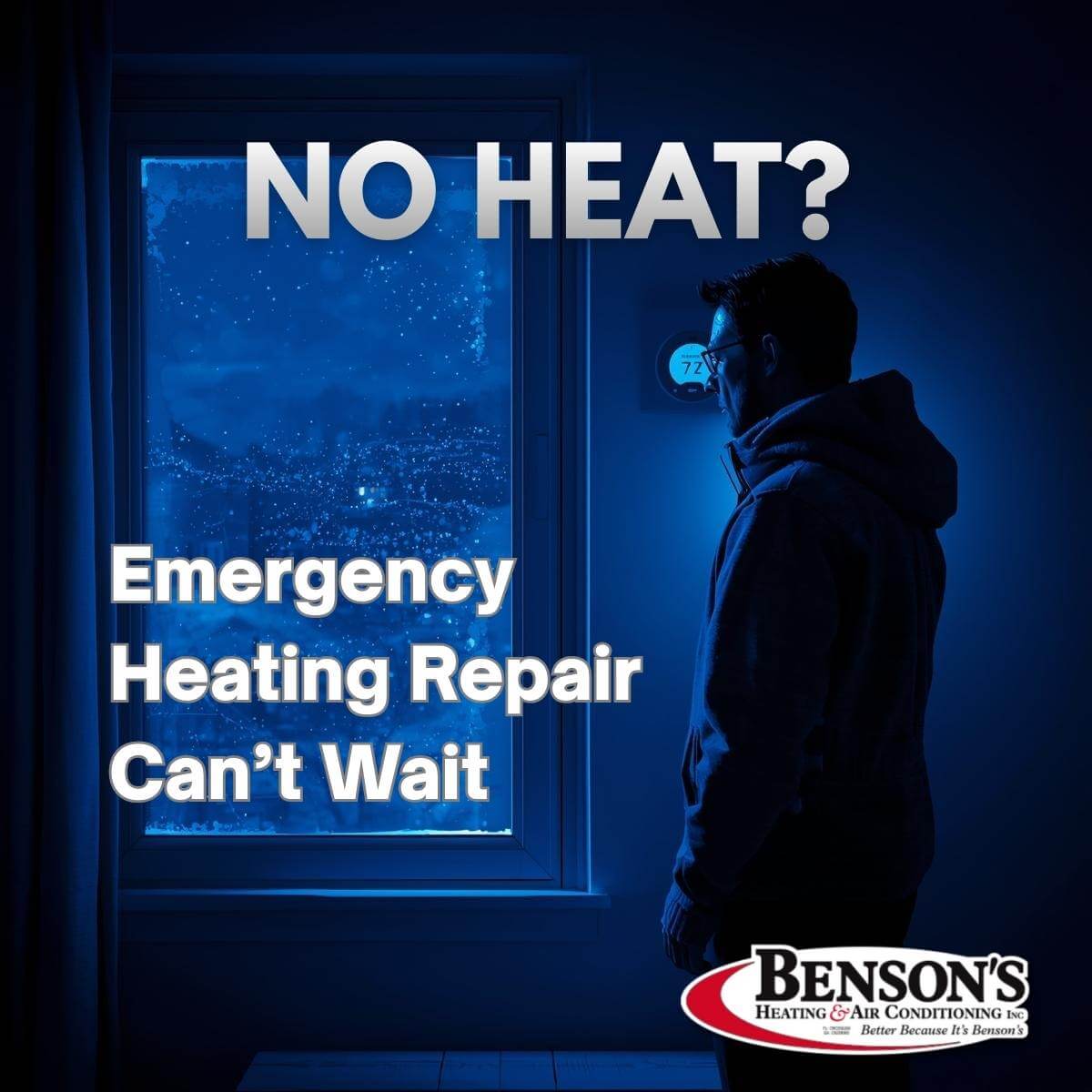
It always happens at the worst time.
Late at night.
Early morning.
Or right when temperatures drop the fastest.
You turn the thermostat up.
Nothing happens.
No heat.
If you live in North Florida, cold weather might not last long, but when it hits, your heating system has to work immediately. And when it doesn’t, waiting is not an option.
This is why emergency heating repair is one of the most urgent HVAC services homeowners need during winter.
Let’s break down what causes heating failures, why delaying repairs costs you more, and what to do the moment your system stops working.
Why Heating Systems Fail When You Need Them Most
Heating systems almost never fail on mild days.
They fail when they are under pressure.
Cold nights force your furnace or heat pump to run longer cycles. Older components struggle. Small issues turn into full shutdowns.
Here are the most common reasons homeowners lose heat unexpectedly:
1. Ignition or Burner Problems
For gas furnaces, ignition issues are one of the top causes of no heat calls.
Dirty burners.
Faulty ignitors.
Sensor failures.
When ignition fails, your furnace cannot safely start. The system locks out to protect your home.
2. Heat Pump Defrost Failures
Heat pumps are common in Florida homes. During cold weather, they rely on defrost cycles to prevent ice buildup.
If the defrost system fails, the unit freezes and stops producing heat.
The result feels sudden, but the problem usually builds over time.
3. Electrical or Control Board Failures
Modern systems rely on electronics to operate safely.
A failed relay.
A blown capacitor.
A damaged control board.
Any one of these can shut the entire system down without warning.
4. Airflow Restrictions
Dirty filters.
Collapsed ductwork.
Blocked returns.
Restricted airflow causes overheating, short cycling, and safety shutdowns. This is one of the most overlooked causes of emergency heating calls.
Why Waiting Makes Heating Problems Worse
Some homeowners try to wait it out.
They add blankets.
They run space heaters.
They hope the system fixes itself.
Here’s the truth.
Heating problems never improve on their own.
Waiting can cause:
• More expensive repairs
• Secondary system damage
• Higher energy bills
• Unsafe operating conditions
A struggling furnace can crack a heat exchanger.
A failing heat pump can damage the compressor.
Electrical issues can become fire risks.
What starts as a repair can quickly turn into a replacement if ignored.
Signs You Need Emergency Heating Repair Right Now
Not every issue starts with a full shutdown.
Pay attention to early warning signs. Acting fast can save thousands.
Call for heating repair immediately if you notice:
• Cold air blowing from vents
• System turning on and off repeatedly
• Burning or metallic smells
• Unusual noises like banging or buzzing
• Thermostat set correctly but no heat
If your system shuts down completely during cold weather, that is always considered an emergency.
Why Professional Heating Repair Matters
Heating systems are not DIY projects.
Modern furnaces and heat pumps have built-in safety systems for a reason. Bypassing them or guessing at fixes can cause serious damage.
A professional technician can:
• Diagnose the real problem fast
• Restore heat safely
• Prevent repeat breakdowns
• Ensure your system runs efficiently
At Benson’s HVAC, emergency heating repair is handled with urgency and precision. The goal is simple. Get your heat back on quickly and make sure it stays on.
What to Do When Your Heat Goes Out
If your heating system stops working, follow these steps:
-
Check your thermostat settings
-
Replace or inspect your air filter
-
Make sure breakers have not tripped
-
Stop running the system if it smells or sounds unsafe
-
Call for professional heating repair immediately
Do not keep resetting breakers or restarting the system repeatedly. That often causes more damage.
Emergency Heating Repair vs Replacement
Many homeowners worry that a no-heat situation automatically means replacement.
That is rarely true.
Most emergency heating calls are resolved with repairs, especially when caught early.
Replacement is typically recommended only when:
• The system is 15 to 20 years old
• Repair costs are excessive
• Efficiency losses are extreme
• Major components have failed
A trustworthy technician will explain your options clearly and let you decide what makes sense for your home.
How to Prevent Future Heating Emergencies
The best emergency is the one that never happens.
Routine heating maintenance dramatically reduces winter breakdowns.
Annual tune-ups help by:
• Identifying worn components early
• Improving airflow and efficiency
• Reducing strain during cold snaps
• Extending system lifespan
If your system struggled last winter, now is the time to address it before the next cold front arrives.
Don’t Wait Without Heat This Winter
No heat is not just uncomfortable.
It affects sleep.
It affects safety.
It affects your home.
Emergency heating repair is about restoring comfort quickly and preventing bigger problems down the road.
If your furnace or heat pump isn’t keeping up, don’t wait for complete failure. Get it checked while the solution is still simple.
Your comfort depends on it.